About us
Because we are a family-owned business, we want your appointment to feel comfortable and familiar, like a visit to see an old friend. That's why your journey to a healthy smile always starts by greeting you with one of ours. We've worked hard to create a welcoming and inviting atmosphere, including a homelike office setting and a friendly team who puts your care and comfort first.
We've been providing quality service to families from around the Canandaigua and Victor communities for over three decades, and we're proud of our reputation as the go-to choice for patients of all ages. When you visit our office, you can expect compassionate, personalized care that not only meets your entire family's dental needs, but your wellness as a whole.
Technology
We offer a range of advanced dental technologies in order to provide safer, more effective, and comfortable dental care.
-
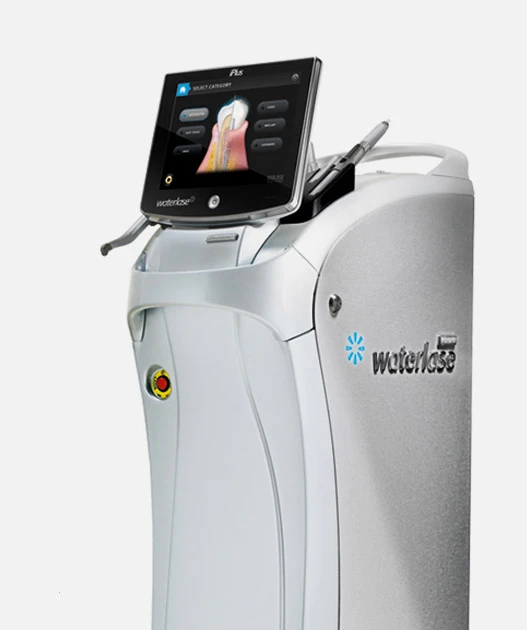
Laser Dentistry
Utilizing laser therapy allows for precise, pain-free treatments, reducing recovery time and infection risk. It encompasses hard tissue treatments (like cavity detection) and soft tissue procedures (such as gum reshaping).
-
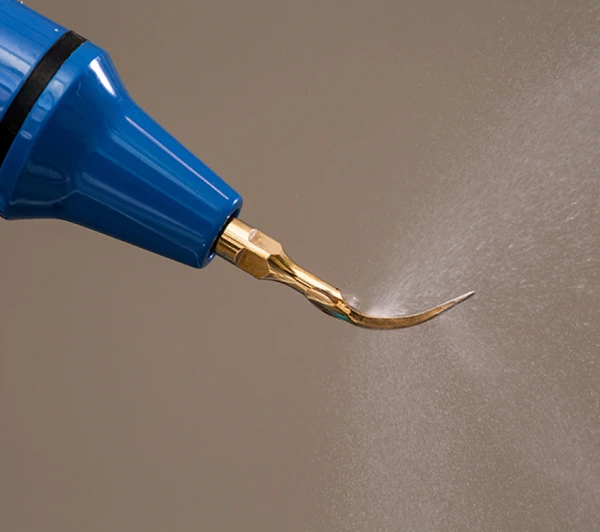
Ultrasonic Scaling
This method efficiently treats periodontal disease, minimizing discomfort and treatment duration while promoting faster gum healing.
-
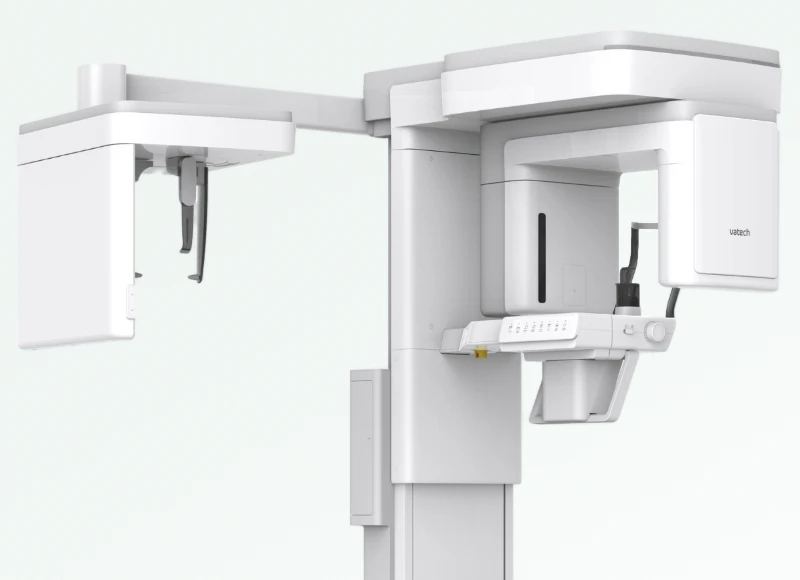
CBCT Scans / Radiography
Dental Cone Beam Computed Tomography offers 3D imaging of oral structures, allowing for highly accurate diagnostics and treatment planning for procedures like implants and orthodontics, with minimal radiation exposure.
Treatments
At our practice, we prioritize a holistic approach to dental care, incorporating several key health screenings and treatments:
-

Oral Cancer Screening
As part of your regular exam, we conduct quick screenings for early signs of oral cancer, recommending biopsies if necessary. Prevention includes avoiding tobacco, limiting alcohol, getting sun protection, and eating a healthy diet. Early detection is vital for successful treatment.
-

Periodontal disease
Gum disease, a leading cause of tooth loss, often goes unnoticed. Regular check-ups involve measuring the spaces between teeth and gums to detect plaque buildup, which can lead to gingivitis and periodontitis. Symptoms include swollen gums and bad breath. Early intervention with good oral hygiene is essential.
-

Sleep Apnea Treatment
We offer comprehensive sleep apnea treatments, including custom oral appliances that help maintain an open airway during sleep. Our approach focuses on improving your overall health and quality of life through personalized dental solutions.
-

Snoring Prevention
Chronic snoring affects many and can indicate underlying health problems. It's often caused by relaxed throat muscles. Solutions may include a mandibular advancement device (MAD) to improve airway space or other tailored treatments.
-

TMD Treatments
Temporomandibular Disorder (TMD) can cause chronic pain and headaches due to issues with the jaw joint. Symptoms include jaw pain and clicking sounds. Dentists can diagnose TMD and suggest treatments, while preventive measures include avoiding teeth grinding and maintaining good posture.
-

Book your Appointment
We are welcoming new patients - Call Dr. Hallstead, DMD, in Canandaigua, NY
Call (585) 394-5230
Book your appointment
Call Dr. Hallstead, DMD, in Canandaigua, NY

 FAQ
At what age should I take my child to the dentist?
The American Academy of Pediatric Dentistry (AAPD) recommends that children have their first dental visit between the ages of 6 months and 1 year. During this time, your child's baby teeth will be coming in and your dentist can examine the health of your child's first few teeth. Children's teeth and mouths change often as they grow, so be sure to schedule regular checkups for your child every six months.
How often should I see the dentist?
All patients, regardless of age, should see the dentist for a regular checkup at least once every six months, and patients who are at a greater risk for oral cancer or gum disease may be required to visit more often. Your doctor will help determine how often you should visit the dentist for regular checkups.
Why is visiting the dentist so important?
Visiting the dentist regularly will not only help maintain the health of your teeth and mouth, but your whole body. Dental care is important because it:
- Helps prevent tooth decay
- Gives you a more attractive smile and increases your self-confidence
- Strengthens your teeth so that you can enjoy healthy, beautiful smiles for the rest of your life
- Prevents bad breath - brushing, flossing, and seeing the dentist regularly will help reduce the amount of bacteria in your mouth that causes bad breath
- Helps keep teeth looking bright by preventing them from becoming stained by food, drinks, and tobacco
- Protects against periodontal (gum) disease, which can lead to tooth and bone loss
How can I take care of my teeth between dental checkups?
There are several ways to keep that just-came-from-the-dentist-fresh feeling going between checkups:
- The best way you can maintain your oral health is to remember to brush your teeth at least two times a day, and floss at least once. Make sure to use toothpaste that contains fluoride (even for young children), and ask your dentist if you need a fluoride rinse. This will help prevent cavities.
- Avoid foods with a lot of sugar, because it increases the amount of bacteria in your mouth that can cause more plaque and possibly cavities, and avoid tobacco, because it can stain your teeth, cause gum disease and eventually lead to oral cancer.
- Don't be afraid to brush your tongue! This extra step in the brushing process helps remove food particles and reduce the amount of plaque-causing bacteria. Tongue brushing also helps keep your breath fresh.
- Be sure to schedule your routine checkup. It is recommended that you visit the dentist every six months.
How often should I brush my teeth?
Brushing keeps your teeth, gums and mouth clean and healthy by removing bacteria-causing plaque. That's why your dentist and the American Dental Association both recommend that you should brush your teeth at least twice a day with a soft-bristled toothbrush and toothpaste that contains fluoride (even for young children). You should spend at least a minute on the top teeth and a minute on the bottom teeth, and don't skip brushing your tongue; it will help keep your breath smelling fresh!
When should I change my toothbrush?
If you brush your teeth according to the twice-a-day recommendation, for 2 to 3 minutes each time, your toothbrush will eventually wear out and need to be replaced every three months if it is the old-fashioned, manual kind. If you are using an electric toothbrush, however, changes may not be required as frequently — be sure to read the product instructions. Patients with gum disease are encouraged to change their toothbrush more frequently — every four to six weeks — to keep any bacteria from spreading. After brushing, rinse your toothbrush with hot water to kill germs and keep the bristles clean. And if you've been sick, be sure to change your toothbrush as soon as possible.
What should I look for when choosing the right dentist for me?
By the end of your first visit, you should have a good feel for whether the dentist you've chosen is right for you and your family. During your appointment, consider the following:
- Is the office easy to get to and close by?
- Is the appointment schedule convenient?
- Does the office appear to be clean and orderly?
- Does the dentist explain techniques for good oral health?
- Is information about cost presented to you before treatment is scheduled?
- Was your medical and dental history recorded and placed in a permanent file?
- Is your dentist a member of the ADA (American Dental Association)?
- Choosing a dentist who “clicks” with you and your family is important, and you may wish to consider several dentists before making your final decision.
My teeth feel fine. Do I still need to see a dentist?
Your teeth may feel fine, but it's still important to see the dentist regularly because problems, including gum disease, can exist without you knowing. And even if you're in perfect oral health, your dentist can help keep your smile looking beautiful. With so many advances in dentistry, you no longer have to settle for chipped, stained, chipped, misshapen or missing teeth.
Today's dentists offer many treatment choices that can help you smile with confidence, including:
- Professional teeth whitening
- Tooth replacement and full smile makeovers
- Fillings that mimic the appearance of natural teeth
What is a cavity?
Cavities are small holes that form inside the tooth because of tooth decay. They happen when the sugars and starches in the food you eat combine with plaque buildup on the outside of the tooth, producing an acid that can eat away the enamel on your tooth. If a cavity is left untreated, it can lead to more serious oral health problems. Cavities can be prevented by eliminating both food ingredients and plaque from your teeth, so remember to brush your teeth at least two times a day and floss between teeth at least once.
What is a filling?
If you do develop a cavity, a dentist uses a synthetic material to “fill” the hole left by the tooth decay. Fillings are made from a variety of different materials, including composites, gold or ceramic, and generally don't hurt because your dentist will numb your mouth with an anesthetic. If you need a filling, be sure to talk to your doctor about what type is best for you and your teeth.
What is gum disease?
Gum disease, also known as periodontal disease, is typically the result of plaque and bacteria buildup that is not treated in its early stage. However, it can also be caused by tobacco use, some medications, teeth grinding or genetics.
The first stage of gum disease is called gingivitis, and is treatable if detected in time. Left untreated, however, it can advance and lead to tooth and bone loss, both of which are permanent conditions. These are the common signs of gum disease:
- Red, irritated, bleeding, or swollen gums
- Loose teeth, or loss of teeth
- Extreme tooth sensitivity
- Receding gum line
- Chronic bad breath
- Abscessed teeth
- Brushing your teeth regularly and visiting the dentist every six months will help prevent gingivitis and more severe cases of periodontal disease.
If I have braces, do I still need dental checkups every six months?
Yes! In fact, orthodontic treatment makes it even more important to visit your dentist regularly. With braces, food may be caught in places that your toothbrush can't reach. Eventually, this can cause bacteria to build up and can lead to cavities, gingivitis and gum disease. Your dentist will work closely with your orthodontist to make sure that your teeth stay clean and healthy while wearing braces.
How do I schedule my next checkup?
Simply call our practice at Call (585) 394-5230. Our front desk staff will be happy to help schedule your next dental checkup at your convenience. If you are a new patient, please let us know and we will provide you with all the information you need for your first dental visit.