

Root Canals
If your tooth hurts or stays sensitive after something hot or cold, you may need a root canal. This treatment removes inflamed or infected tissue inside the tooth to help relieve pain and save your natural tooth.

Tooth pain worrying you? Call us at (585) 394-5230
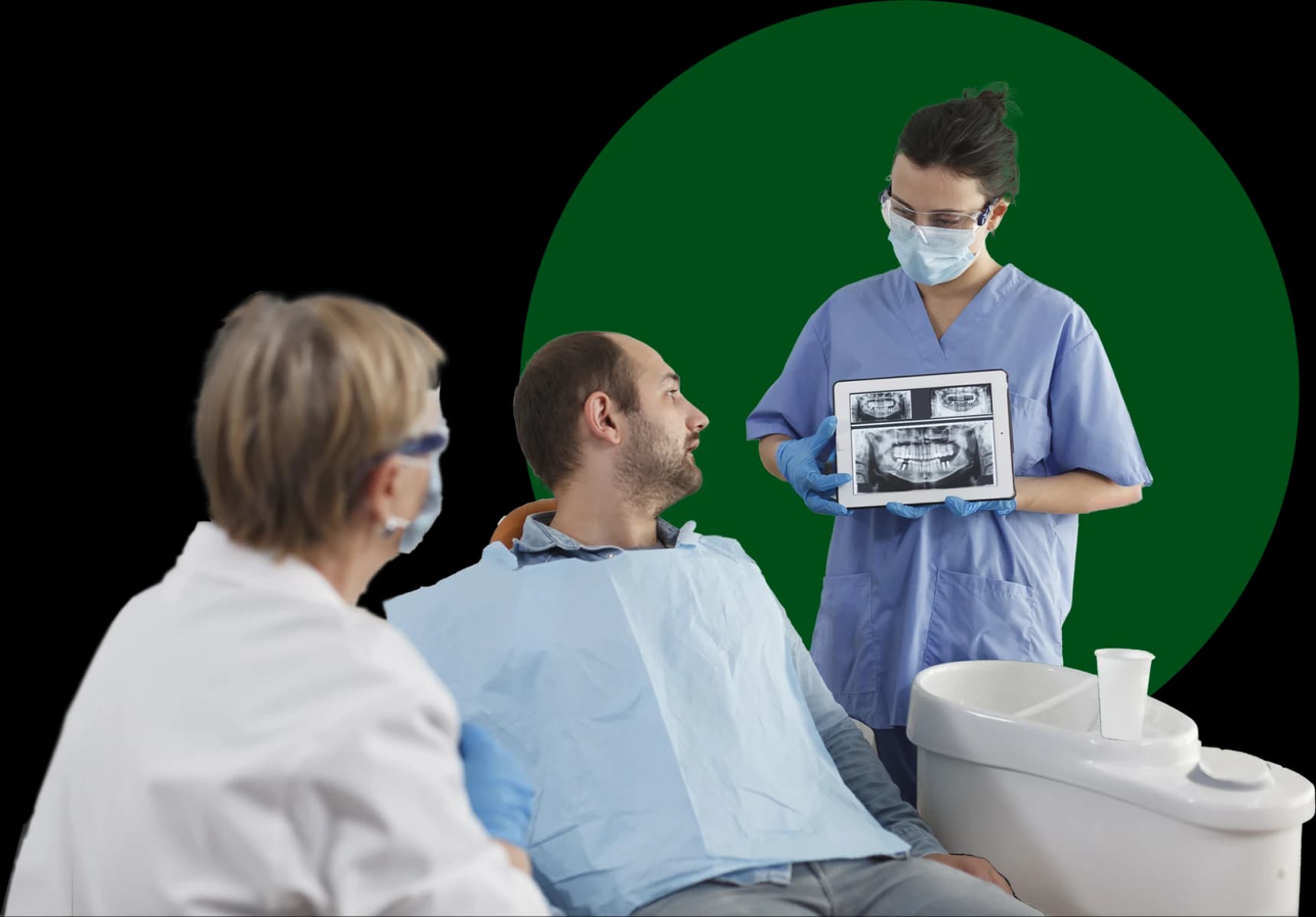
Signs You May Need a Root Canal
These symptoms can point to a problem inside your tooth. An exam can help us find the cause.
Severe toothache, especially when chewing or biting
Sensitivity that lingers after hot or cold
Swollen or tender gums near one tooth
A pimple or bump on the gums
A tooth that has darkened
Sometimes there are no symptoms, and an exam or x-ray finds the problem. If you notice any of these signs, call us so we can check your tooth.
(585) 394-5230What Is a Root Canal?
Inside your tooth is soft tissue called pulp, which contains nerves and blood vessels and extends into the roots. Deep decay, repeated dental work, a crack or an injury can inflame or infect it. Without treatment, infection can cause an abscess, a pocket of infection.
A root canal removes the damaged tissue and cleans and seals the inside of your tooth. The goal is to relieve pain and keep your natural tooth. Saving it avoids a gap that may need an implant or bridge if the tooth is removed.
Root Canal Treatment Steps
Knowing what to expect can help you feel more at ease. These steps explain how we treat your tooth.
Exam and X-Rays
We examine your tooth and take x-rays to check for problems inside the tooth and around its roots.
Numbing Your Tooth
We numb your tooth with local anesthetic, medicine that reduces feeling in the area during treatment.
Cleaning the Inside
We make a small opening in the top of your tooth. We remove the damaged tissue, then clean and shape the channels inside the roots.
Filling and Sealing
We fill and seal the cleaned channels. Then we close the opening in your tooth with a temporary or permanent filling.

After Your Root Canal
Your tooth may feel tender or sensitive for a few days. Over-the-counter pain relievers usually help. Avoid chewing hard foods on that tooth until it has its final filling or crown. We will explain which it needs. A crown covers the tooth to help protect it.
 Root Canal Questions
We use local anesthetic to numb your tooth for treatment. Tell us if you feel discomfort. Your tooth may feel tender or sensitive for a few days afterward, and over-the-counter pain relievers usually help.
A root canal aims to save your natural tooth. Removing it leaves a gap that may need an implant or bridge. If we cannot save your tooth, tooth extraction may be an option.
A tooth often needs a crown after a root canal, especially a back tooth. We will tell you whether a crown or filling is needed to protect yours. Read about dental crowns.
Call us at (585) 394-5230 during office hours: Monday to Thursday, 7AM–3PM. Tell us about your symptoms. An exam can help us find out whether you need a root canal. Our emergency dental care guide explains first aid and when to seek emergency medical help.
Yes. An inflamed or infected tooth sometimes has no symptoms. An exam or x-ray may reveal the problem. We will explain what we find and whether you need treatment.
Talk With Us About Tooth Pain
An exam can help us find the cause and explain your treatment options.